

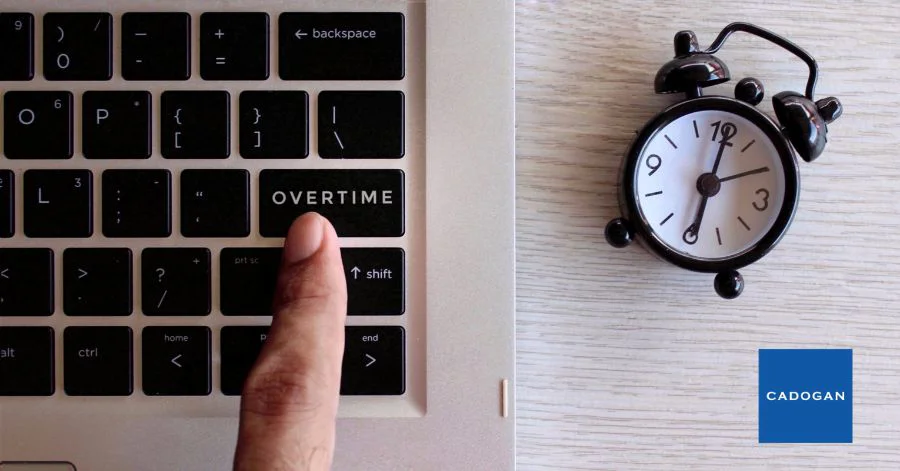
Your labor is your most valuable asset. It represents your time, your expertise, and your unique dedication. Yet, across Florida, thousands of professionals silently suffer from compensation structures that subtly erode their hard-earned revenue. Wage and hour violations are rarely loud or obvious; more often, they are embedded within complex corporate policies or disguised as standard industry practices. Knowing when to transition from internal questioning to external advocacy is a vital strategic decision for your career and financial security.
1. The Misclassification Trap: Salaries vs. Reality
One of the most frequent catalysts for legal intervention is the misclassification of employees as "exempt" from overtime. Many employers mistakenly—or intentionally—believe that simply paying an individual a salary or assigning them a sophisticated title like "manager" or "coordinator" absolves the company of paying overtime. In Florida, the reality depends entirely on your actual daily duties, not your job title. If you spend the majority of your time performing routine, non-discretionary tasks but are working sixty hours a week without overtime compensation, you are likely losing thousands of dollars every year.
2. Off-the-Clock Expectations and Shadow Hours
Modern workplaces have blurred the boundaries of the traditional workday. If you find yourself checking corporate systems before your shift, responding to mandatory communications during unpaid lunch breaks, or completing paperwork at home because your daytime targets are mathematically impossible, you are working "off-the-clock." Under federal and Florida laws, if an employer knows or has reason to believe you are performing work, that time must be compensated. Ignoring these shadow hours doesn't make you a team player; it makes you a victim of wage theft.
3. Independent Contractor Confusion
The rise of the gig economy and freelance corporate structures has led to a massive spike in independent contractor misclassification. If you are labeled a 1099 contractor but your client controls your schedule, dictates your specific methods, and restricts you from working with others, you may legally be an employee. This misclassification deprives you of critical protections, including overtime pay and vital tax contributions.
4. Unexplained Deductions and Tip Pooling Anomalies
For employees in the hospitality and service sectors, compensation models are notoriously complex. If your employer takes deductions for uniform maintenance, cash register shortages, or forces you to participate in an invalid tip pool that includes managers or back-of-house staff who do not traditionally receive tips, your rights are being compromised. These subtle deductions can rapidly push your effective hourly rate below the Florida minimum wage threshold.
Take Control of Your Compensation
Waiting for an employer to self-correct is rarely a winning strategy. True professional empowerment requires recognizing when your rights are being compromised and taking decisive, sophisticated action to reclaim what you are owed. At Cadogan Law, we understand the nuance of Florida labor laws and fight passionately to elevate and protect the financial integrity of workers.
If you suspect your compensation doesn't align with the law, contact us today at (954) 371-1607 to secure the strategic legal representation your career deserves.